
Friction-Maxxing at Home: Easy, “Anti-Convenience” Tricks To Make Your Life Better

Friction-maxxing sounds like a gym trend or a startup buzzword—but it’s actually a refreshingly simple idea: make the “automatic” stuff in your life slightly less automatic. Not with rules, not with willpower, and definitely not with a cart full of organizing gadgets. Just a few tiny, intentional speed bumps—so doomscrolling, mindless snacking, and impulse clicks take one extra step, while real downtime becomes the easiest option in the room.
Friction maxxing turns your home into a gentle “autopilot breaker,” without renovations or fancy organizers. It involves just simple placements and routines that make doomscrolling harder and real-life downtime easier.
Think of it as DIY “choice architecture”: you’re not banning anything—just changing the default setup so the stuff you want less of takes one extra step, and the stuff you want more of is right there.
Why Friction-Maxxing is Suddenly Everywhere

We’ve spent years polishing life into a one-tap slideshow: one-click shopping, autoplay everything, and smart devices doing all the thinking.
Friction-maxxing is the playful pushback—adding small, intentional speed bumps so you pause, choose, and stay present. It popped up in culture writing, then spread into money habits and home life because the problem is the same: when everything is effortless, it’s also easier to drift.
The Golden Rule to Friction Maxxing
Add friction to temptations, not to essentials. You’re not trying to make your life harder; you’re trying to make the “default autopilot” slightly less slippery. And if a “speed bump” makes something less accessible or more stressful for you, skip it. This trend is supposed to feel empowering, not punishing.
Friction vs. Sludge
Quick guardrail: good friction feels like a gentle pause. Bad friction (“sludge”) feels like a pointless hassle. If a speed bump makes you anxious, wastes time, or makes essentials harder—ditch it. The goal is calmer defaults, not a harder life.
5-Minute Friction Audit
- Pick one temptation (doomscrolling, snacking, or impulse buying).
- Name the room where it happens most.
- Add one speed bump you can undo in 10 seconds.
Try it for a week. If it works, keep it. If it’s annoying, adjust the bump rather than your willpower.
No-Buy Friction-Maxxing DIYs for Your Home

Here are easy, low-effort changes you can do in one afternoon:
- Bedroom: Make a phone parking spot. Put a bowl, jar, or small box outside your bedroom (or on a shelf across the room). Charging stays there. If you want your phone, you have to stand up and go get it—tiny friction, big impact.
- Living room: Break “infinite scroll” in your living room. Keep the TV remote in a drawer or a specific “remote home” across the room. Autoplay is powerful; a 10-step walk is a surprisingly good off-ramp.
- Kitchen: Add a snack speed bump. Move the “mindless munch” stuff to the highest shelf or a hard-to-reach cabinet. Keep fruit, nuts, or leftovers at eye level. This is friction-maxxing with benefits.
- Phone/ Browser: De-fang one-click buying. Remove saved cards from your browser and apps (or sign out after purchases). The goal is a pause that asks, “Do I actually want this?”—a method that personal finance writers point to as a practical way to curb impulse spending.
- Entryway: Create an “inbox” for physical chaos. Put one basket/box near the entry: mail, receipts, random screws, mystery keys. The friction is that you must put clutter there (not everywhere). Once a week, empty or sort it.
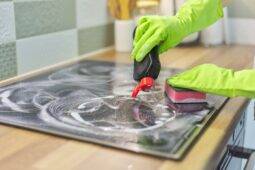
- Bathrooms/ Kitchen: Turn chores into “two-step” wins. Keep cleaning wipes/spray where you use them (kitchen, bathroom), but store refills elsewhere. You’ll still clean easily, but refilling becomes a conscious moment—no more cleaning supply explosions.
- Anywhere: Make the good stuff easier than the lazy stuff. Put your favorite book, sketchpad, guitar, or jump rope in plain sight. Put the “time-sink” stuff (game controller, endless-news app icon) slightly out of reach. You’re redesigning your defaults.

Keep It Fun With a One-Week Trial
Pick two changes, commit for seven days, then review: Did you feel calmer? Did your evenings feel longer? If yes, keep it. If not, tweak it.
Friction-maxxing works best when it’s small, specific, and kind of funny—like turning “I should stop scrolling” into “Ugh, I have to stand up.”
How You’ll Know It’s Working
You’ll know it’s working when you pause more, scroll less, and your evenings feel longer, without feeling deprived. The win is catching autopilot before it steals your downtime.
 Maria
Maria