
The Master Gardener’s Cheat Code: Why You MUST Prune These 3 Plants in February

February might feel like the wrong time to work in the yard. It’s cold. The grass isn’t growing. Everything looks dead. But this is exactly when smart gardeners make their move.
Late winter pruning — especially in milder U.S. zones — sets the stage for stronger stems, healthier structure, and bigger blooms once spring hits. When plants are dormant, they handle cuts better and channel energy more efficiently into new growth.
If you want your yard to explode back to life in a few months, start here.
1. Roses (Most Varieties)

If your roses look like a tangle of sticks right now, that’s good. It means they’re dormant — and ready for pruning.
February is ideal in many regions (Zones 6–9 especially), just as buds begin to swell but before active growth starts.
What to Do:
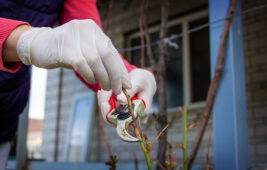
- Remove dead, blackened, or brittle stems.
- Cut out crossing branches that rub against each other.
- Open up the center of the plant to improve airflow.
- Trim healthy stems back by about one-third.
- Always cut just above an outward-facing bud.
Good airflow reduces fungal problems later in the season. And shaping the plant now directs energy into fewer, stronger canes — which means bigger blooms in summer.
Avoid heavy pruning for rambling roses, but hybrid teas, floribundas, and shrub roses benefit significantly from this late-winter reset.
2. Panicle and Smooth Hydrangeas

Important: Not all hydrangeas should be pruned in February.
Only prune:
- Panicle hydrangeas (Hydrangea paniculata)
- Smooth hydrangeas (Hydrangea arborescens)
These varieties bloom on new wood, meaning they produce flowers on growth that develops this year. That makes late winter pruning safe.
What to Do:
- Remove old flower heads.
- Cut stems back by roughly one-third.
- For smooth hydrangeas, you can cut down to about 12 inches from the ground.
- For panicle varieties, trim to shape but keep a strong framework.
Pruning now encourages larger flower heads and sturdier stems that won’t flop once those heavy summer blooms arrive.
If you’re unsure which hydrangea you have, don’t cut aggressively. Some types bloom on old wood — and you don’t want to accidentally remove this year’s flowers.
3. Butterfly Bush (Buddleia)

Butterfly bushes grow fast — and without pruning, they get leggy and weak.
In warmer climates (Zones 7–10), February is prime time to cut them back hard before new growth begins.
What to Do:
- Cut all stems down to about 6–12 inches above ground.
- Remove any dead wood completely.
- Shape the base to encourage strong, upright growth.
Yes, it feels drastic.
But butterfly bushes respond aggressively to pruning. Cutting them back now results in thicker stems and more vibrant blooms later in the season — which means more butterflies in summer.
Avoid early pruning in colder regions with heavy late frosts. Wait until the harshest freezes have passed.
Pro Tips for Winter Pruning

- Choose a dry, mild day.
- Use sharp, clean tools to prevent disease spread.
- Make clean cuts — no crushing stems.
- Don’t prune during deep freezes.
Late winter pruning isn’t busywork. It’s strategy.
While everyone else waits for spring, you’ll be setting up your yard for stronger growth, better structure, and bigger blooms.
Come April, you’ll be glad you bundled up for a few hours in February.
 Chris A.