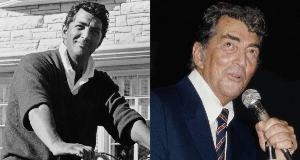

John Wayne: The Man Who Became an American Myth
Few figures loom as large in Hollywood history as John Wayne. Known to fans simply as “The Duke,” his commanding presence and unmistakable voice helped define generations of Western and war films.
Over the course of a career lasting more than five decades, Wayne became a true symbol of American cinema. However, behind the strength audiences admired was an individual whose personal life proved far more complicated than the characters he played.
John Wayne Was a Natural Athlete

John Wayne was born in Winterset, Iowa, the eldest son of Clyde and Mary Morrison. His family relocated several times during his childhood before eventually settling in Glendale, California.
In Glendale, Morrison thrived both in the classroom and on the playing field. He was an avid reader of adventure stories and spent his free time idolizing movie cowboys - early interests that quietly pointed toward the screen persona he would one day make famous.
College Days and Football Dreams

Before he graced the silver screen, Wayne was a football star at the University of Southern California. A scholarship allowed him to attend USC, where he played as an offensive tackle.
Unfortunately, a bodysurfing accident injured his shoulder, ending his football career. This twist of fate led him to pursue work in Hollywood, initially as a prop boy, and it wasn't long before he caught the eye of filmmakers.
A Nickname with a Story

Wayne’s famous nickname, “The Duke,” began in childhood. He had a dog named Duke, and neighbors started calling him “Little Duke” as a result. The name stuck, and Wayne carried it with him for the rest of his life.
Over time, “The Duke” became inseparable from his public image, perfectly matching the tough, unshakable characters he brought to the screen.
He Wasn't Named John Wayne at Birth

Most fans don't know that John Wayne wasn't his real name! He was born Marion Morrison, and the transformation into Wayne was a strategic move by Hollywood executives. They believed the name "Marion" lacked the rugged appeal needed for the movie parts he'd later play.
The name "John Wayne" was suggested by director Raoul Walsh, inspired by Revolutionary War Gen. "Mad Anthony" Wayne. This change marked the beginning of his journey into becoming a cultural icon.
The Start of an Iconic Hollywood Journey

Wayne's entry into Hollywood was far from glamorous. He first found work at the Fox Film Corporation as a laborer and extra. His first leading role came in the 1930 film, The Big Trail, directed by Raoul Walsh.
While the film wasn't a commercial success, it was a key moment that showcased Wayne's potential as a leading man. This experience laid the groundwork for his illustrious career in cinema.
Rise to Stardom in the Western Genre

John Wayne's breakthrough came with the 1939 classic, Stagecoach, directed by John Ford. This film established him as a leading star in the Western genre - a status he maintained for the remainder of his career.
Wayne's portrayal of rugged, stoic characters resonated with audiences, and he became a symbol of American masculinity. His collaborations with Ford resulted in some of his most memorable performances.
Iconic Roles That Defined John Wayne's Career

Wayne's filmography includes a range of iconic roles that have become synonymous with his name. Films like The Searchers, True Grit and Red River showcased his versatility and depth as an actor. His portrayal of Rooster Cogburn in True Grit, in particular, earned him an Oscar for Best Actor.
These roles not only cemented Wayne status as a Hollywood legend, but also contributed to the Western genre's enduring popularity.
He Had an Iconic Walk

Wayne's very distinctive walk became one of his trademarks, contributing to his larger-than-life persona. The walk, characterized by a rolling gait, was the result of years of horseback riding and a leg injury. It added to his cowboy image, making the characters he played even more relatable and memorable to audiences around the world.
His Directorial Debut Wasn't All That Successful

While best known for his acting, Wayne also tried his hand at directing. His directorial debut was the 1960 film, The Alamo, in which he also starred as Davy Crockett. While the movie received mixed reviews, it demonstrated Wayne's passion and commitment to filmmaking.
He directed two more films, The Green Berets and The Comancheros, further showcasing his multifaceted talent in the industry.
He Received Several Awards and Honors

Throughout his career, John Wayne received numerous awards and honors, recognizing his contribution to the film industry. In addition to his Academy Award for True Grit, he received the Congressional Gold Medal and the Presidential Medal of Freedom.
These accolades affirmed his status as a national treasure and celebrated his lasting impact on American cinema.
Business Ventures and Investments

Outside of his acting career, Wayne was a savvy businessman with interests in various ventures. He co-founded Batjac Productions, a film production company that produced several of his movies.
Wayne also invested in real estate and owned a large cattle ranch in Arizona. His business acumen ensured financial stability and allowed him to pursue projects that were personally meaningful, further solidifying his legacy.
He Was a Different Person Off Screen

Wayne's off-screen persona was just as rugged and commanding as his on-screen characters. He was known for his straightforwardness and strong opinions, which usually made headlines. Despite the tough exterior, he was described by friends and colleagues as warm-hearted and generous.
His public image was a blend of personal beliefs and the personas he played, making him a beloved figure in American culture.
John Wayne Was a Dedicated Family Man

Wayne's personal life was as dynamic as his career. He was married three times and had seven children, who often accompanied him on film sets.
Despite his busy schedule, Wayne prioritized family, and his children remember him as a loving and supportive father. His relationships, both personal and professional, were marked by loyalty and a strong sense of camaraderie, reflecting the values he held dear.
Political Views and Public Statements

John Wayne was known for his conservative views, which he didn't shy away from expressing. He was a staunch supporter of the Republican Party and campaigned for several candidates, including Richard Nixon.
Wayne's political beliefs often mirrored the themes of his films, emphasizing patriotism and traditional American values. His public statements sometimes sparked controversy, but they also solidified his role as a cultural icon.
Health Battles and Final Years

Wayne faced several health challenges throughout his life, including battling lung cancer in 1964. Despite undergoing surgery and chemotherapy, he continued to work, embodying the resilience he was famous for.
In 1979, Wayne succumbed to stomach cancer. His final years were marked by reflection and a desire to spend time with family, and his courage in facing his numerous health battles left an indelible mark on those who knew him.
John Wayne's Enduring Influence

John Wayne's legacy endures through his films, which continue to captivate new generations of audiences. His portrayal of American heroes has left a lasting impact on the film industry and popular culture.
The John Wayne Cancer Foundation, established by his family, honors his memory by supporting cancer research and education. Wayne's influence is a testament to his talent, dedication and the timeless appeal of his work.
John Wayne's Influence on Pop Culture

Wayne's influence extends beyond film, permeating various aspects of popular culture. His image and quotes are frequently referenced in music, literature and even politics. The term "John Wayne moment" has even become synonymous with displays of courage and determination. Wayne's enduring popularity is a testament to his ability to capture the true spirit of the American West and resonate with audiences worldwide.
 Devin Duke