

Icicles On Your House? It Might Signal An Insulation Issue
I used to look out my front window and admire the giant icicles hanging from my roof. They looked like a beautiful winter wonderland right out of a holiday movie. But a few years ago a roofer friend gently broke the bad news to me. Those pretty ice formations are actually a giant red flag for your house. It turns out they could be a sign that you are wasting heat and risking some serious water damage inside your walls. Yikes!
Making An Ice Dam
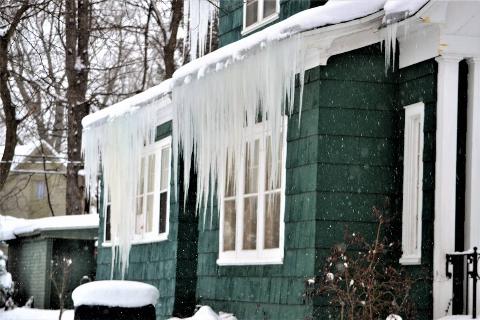
When your house is warm inside, that heat naturally rises straight up into your attic. If your attic is too warm, it melts the snow sitting on your roof. The water trickles down the shingles until it hits the cold overhang of your roof edge. Since there is no heat out there, the water freezes instantly. This creates a solid block of ice that traps more water behind it which forms those long hanging icicles you might see on your roof.
Taking A Peek In The Attic

The main culprit here is usually a lack of insulation. If you poke your head up into your attic you should see a thick fluffy blanket of insulation covering the floor. If you can easily see the wooden floor joists poking through the fluff, you definitely do not have enough. Adding a few more rolls of fiberglass or blowing in some extra cellulose keeps the heat inside your house from escaping.
Finding The Hidden Air Leaks

Sometimes insulation alone is not quite enough to solve the problem. Warm air is incredibly sneaky and will find tiny paths to escape into the attic. Things like recessed lighting fixtures or bathroom exhaust fans often leave small gaps in the ceiling. Even the attic access door itself can be incredibly drafty. Taking a can of expanding foam and sealing up those little cracks makes a massive difference in keeping your roof deck nice and cold.
Letting Your Attic Breathe

It sounds a little crazy to want cold air in your house during the winter but your attic needs to breathe. Good ventilation pulls freezing air in through the vents under your eaves and pushes the warm air out through the top of the roof. This constant flow of freezing air keeps the roof surface perfectly cold so the snow never melts in the first place. Make sure your vents are not blocked by old boxes to keep the ventilation working the way it should.
Gutters Usually Take The Blame

People always assume that clogged gutters are the reason icicles form. While full gutters definitely make the problem look much worse, they are rarely the actual root cause. The ice dam forms on the cold roof edge just above the gutter itself. However, keeping your gutters totally clean before the snow flies is still a great idea. It gives the melting water a clear path to drain away safely when the sun finally comes out.
The Real Threat Of Trapped Water

You might be wondering why a little ice on the roof is such a big deal. The danger happens when the trapped water behind the ice dam has nowhere to go. Water is incredibly stubborn and it will eventually back up under your roof shingles. From there, it drips straight down into your ceiling and down your interior walls. That leads to ruined drywall and expensive mold problems that are a nightmare to fix later.
Clearing The Roof Safely

If you already have icicles hanging down, please do not climb up onto your roof with a hammer. Hitting the ice will almost certainly destroy your shingles and void your roof warranty. The safest immediate fix is to buy a long roof rake from the hardware store. You can stand safely on the ground and pull the snow off the lower edge of the roof. Without snow to melt, the ice dam cannot grow any bigger and the icicles will melt in time.
Related Articles
-Why People Are Reaching For Plywood Instead Of A Snow Shovel This Winter
-This "Non-Stick" Driveway Trick Makes Snow Removal Shockingly Easy
-How to Keep Snow Off Your Front Steps Without Shoveling
Dealing with ice dams in the freezing cold is incredibly frustrating. We all just want to stay inside with a warm cup of coffee. But taking the time to add some insulation and seal up those drafts when the weather is nice will save you so much stress. Your house will feel much warmer and your heating bill will drop significantly. It is a home improvement project that truly pays you back every single winter.
 Bliss Donahue-Power
