
This Spring Get an Early Grip on The Weeds in Your Garden With This DIY Vinegar Hack

In the search for affordable, non-toxic alternatives to commercial herbicides, household vinegar is the most common DIY tool for hardscape maintenance. However, understanding the chemical limitations and the specific application window is essential for achieving a successful eradication of invasive weeds.
The following guide outlines the process of using 5% acetic acid to clear driveways and paver joints within a 24-hour window.
Project Overview & Specs
- Active Ingredient: Acetic Acid (5% Concentration)
- Best Use Cases: Driveway cracks, paver joints, and gravel paths.
- Tools Required: Garden sprayer or high-density spray bottle.
- Optimal Conditions: Full sun, low wind, and temperatures above 75°F.
The Science of the “Burn”

Vinegar functions as a desiccant. The acetic acid works by dissolving the cuticle—the protective waxy layer on a leaf—which causes the plant to lose moisture at an accelerated rate.
- Non-Selective: Vinegar will damage or kill any green tissue it contacts. It must be kept away from lawns and ornamental flowers.
- Contact-Only: Unlike systemic herbicides, vinegar is not absorbed into the root system. It only affects the plant tissue it physically touches.
The 24-Hour Degradation Timeline

When applied during peak sunlight, the plant death follows a predictable curve:
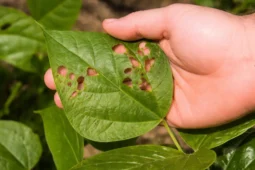
- Hour 2: Initial cellular stress. Weeds shift from vibrant green to a dull, water-soaked olive color.
- Hour 8: Loss of turgor pressure. The structural integrity of the stems fails, causing the weeds to wilt and slump.
- Hour 24: Total desiccation. The surface growth becomes brown, brittle, and dead to the touch.
The MMDIY “Sticker” Recipe

Pouring vinegar directly from the bottle is inefficient, as the liquid tends to bead and roll off the leaves. To maximize the surface contact, use this surfactant-based formula:
- 1 Gallon White Vinegar (5%): The base acidic agent.
- 1 Tablespoon Liquid Dish Soap: Acts as a surfactant, breaking surface tension so the vinegar “sheets” across the leaf surface.
- 1 Cup Epsom Salt: Increases the salt concentration on the leaf, accelerating the dehydration process.
Critical Maintenance Realities

To achieve professional-grade results with this DIY method, keep these three limitations in mind:
- Regrowth: Because vinegar does not reach the roots, established perennials with deep taproots (like dandelions) will likely regrow within 10 to 14 days. This is a maintenance tool, not a permanent eradication.
- UV Activation: Acetic acid requires heat and UV light to work effectively. Application on cloudy or cool days will yield significantly slower results.
- Hardscape Only: Repeated use in garden beds can lower soil pH over time. This method is strictly recommended for hardscapes where soil health and plant growth are not desired.
Summary of Efficacy

For maintaining a clean, weed-free look in driveway cracks and sidewalks, vinegar is a high-efficiency DIY solution. It offers immediate visual results and a lower toxic load than commercial alternatives. While it is a “visual reset” rather than a root-killer, its cost-effectiveness makes it an ideal choice for frequent hardscape maintenance.
 Chris A.