
Why Should You Wrap Your Door Handles in Foil?—and What It Really Does

If you’ve spotted a front-door handle wrapped in aluminum foil lately, you’re not alone. It looks like someone started prepping leftovers mid-renovation…and forgot. But the foil-wrapped doorknob is one of those “tiny weird” social media trends that spreads fast, especially when people are already thinking about home safety, travel, and everyday annoyances like winter static.
So what’s behind it—and what’s the unexpected effect that actually makes this trick useful?
The Viral Reason: A DIY “Tamper Tell” (not a Magic Security Hack)
Online, the foil is often pitched as a quick-and-dirty security move: wrap the handle before bed, and if someone tries to enter, the foil will crinkle loudly, tear, or look disturbed in the morning. Some versions even claim it “deters intruders” because it signals you’re alert or have security in place.

Here’s the reality check: foil doesn’t stop anyone from turning a knob, and it won’t prevent forced entry. Multiple home-and-security explainers have been blunt about this—foil is not a real security upgrade.
It can, however, act as a cheap signal—a “did someone mess with this?” indicator—especially for opportunistic situations (hotel rooms, side doors, a garage entry you rarely use). Just don’t confuse “signal” with “protection.”
The Unexpected Effect: Foil Is Secretly a DIY Workhorse

The funniest part of this trend is that the most practical benefit isn’t security, but mess control.
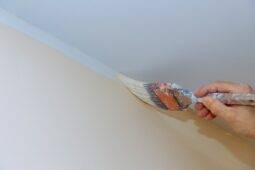
A local fact-check story pointed out that many “wrap foil on your doorknob” clickbait posts ultimately lead to…painting advice. Foil is a quick mask for knobs and handles when you’re painting a door, touching up trim, sanding nearby, or spraying cleaner you don’t want sitting on the finish.
In other words, it’s like painter’s tape, but faster, grippier, and easier to remove in one satisfying peel.
Bonus: It Can Help with Winter Doorknob Zaps
If your house turns into a static-electricity carnival every time the heat kicks on, foil can help in a very unglamorous way: it’s conductive, so it can help discharge built-up static when you touch it, instead of letting the charge “snap” painfully off a smaller point on the metal hardware. Static shocks from doorknobs are a classic dry-air problem.
Will it eliminate static forever? No. But as a quick test (or a temporary fix), it’s surprisingly decent.
The “Foil Effect”: The Man-Made DIY Version

If you’re doing this for awareness (not false confidence), do it efficiently:
- Tear an 8–10-inch strip of foil.
- Wrap it snugly around the part of the door handle you touch, and crinkle it a bit so it “holds” shape.
- It should be tight enough so as not to fly away in a gust of wind.
- Leave the keyhole and latch area clear.
- Don’t wrap interior handles on doors that you might need to exit quickly.
Then—if security is the real concern—spend your energy where it matters: tighten hinge screws, upgrade strike-plate screws, improve lighting on the porch, and make sure your lock hardware is solid. You can even fake a security system of lights and cameras to deter intruders, much like Home Alone.
Foil can be a signal, but it’s not a foolproof system.
The Takeaway
Foil on a door handle is going viral because it feels like control in a messy world. But the best “unexpected effect” is simpler: it’s a fast, disposable protective wrap for DIY messes, and a small hack that might save your fingers from one more winter static zap.
For more interesting uses of aluminium foil check out:
 Maria
Maria