What materials do I need to spackle drywall?
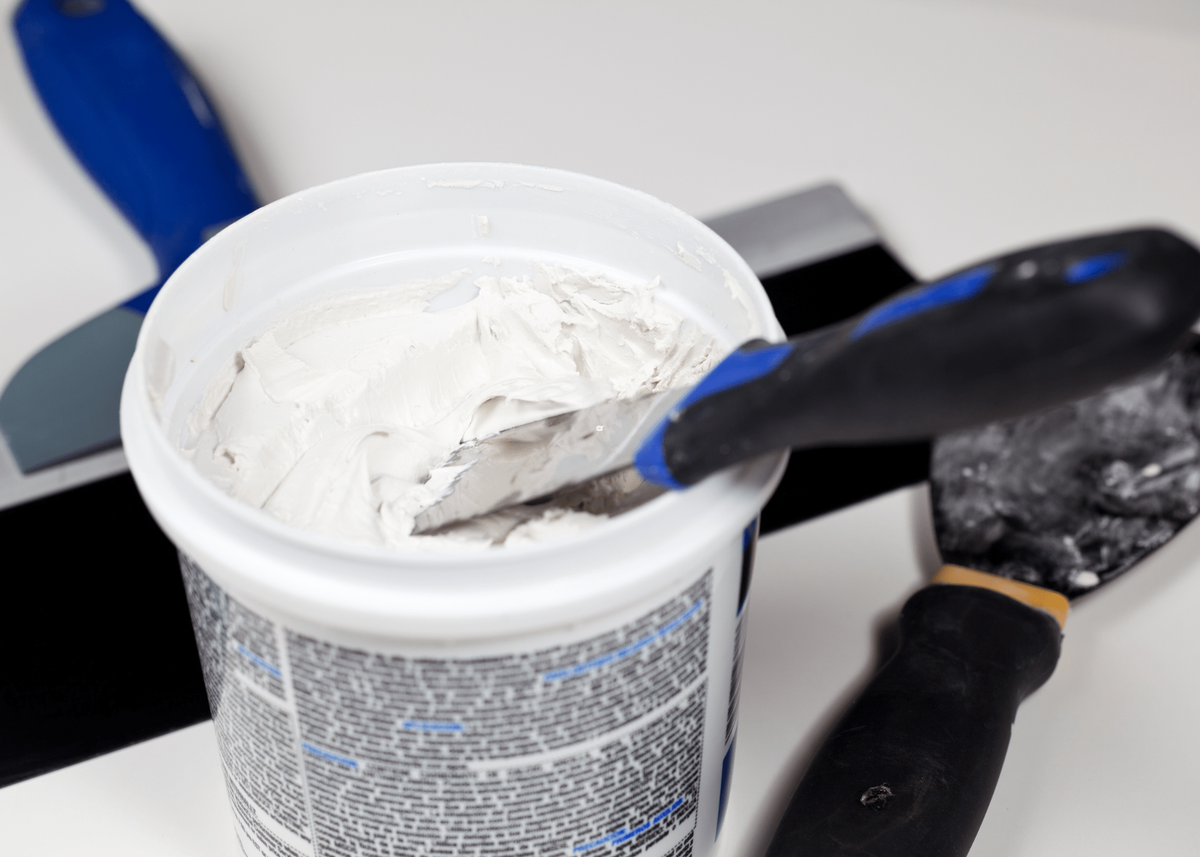
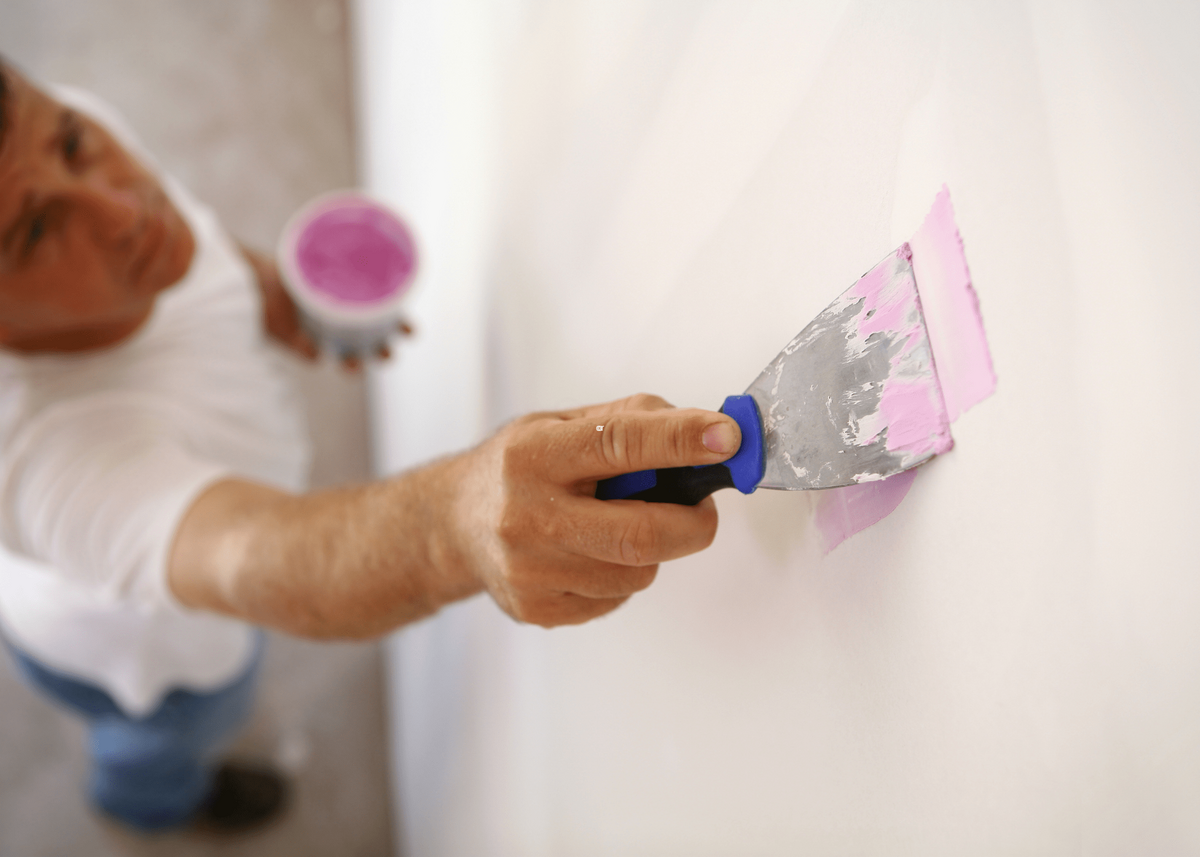
To spackle drywall, you'll need a few essential supplies: spackle or joint compound, a putty knife, sandpaper or a sanding sponge, a dust mask, and a drop cloth to protect your floor. You might also need a primer and paint to finish the job after spackling.
How do I prepare the area before spackling?
Before spackling, clean the area around the holes or cracks. Remove any loose debris, dust, or old paint. If the area is damp or greasy, clean it thoroughly and let it dry completely. Use a utility knife to remove any loose drywall paper around the damaged area to ensure the spackle adheres properly.
How should I apply the spackle?
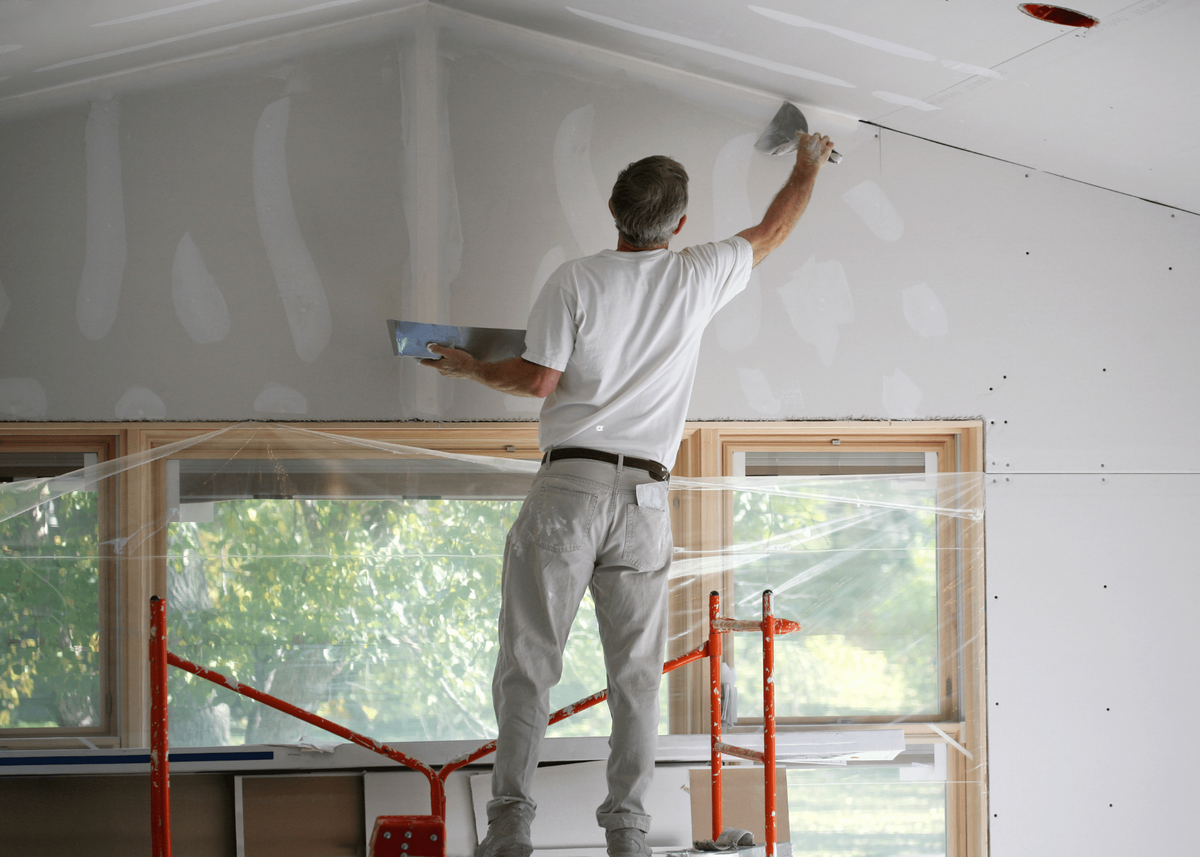
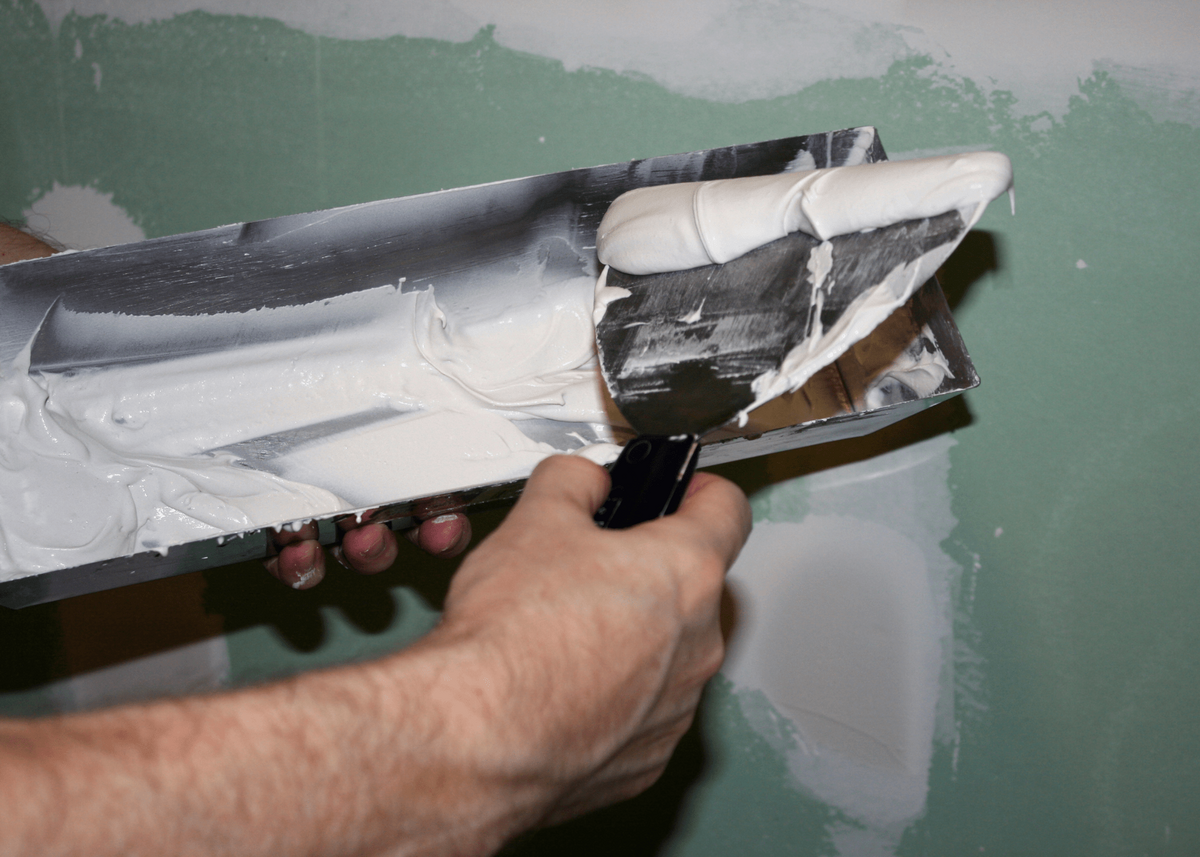
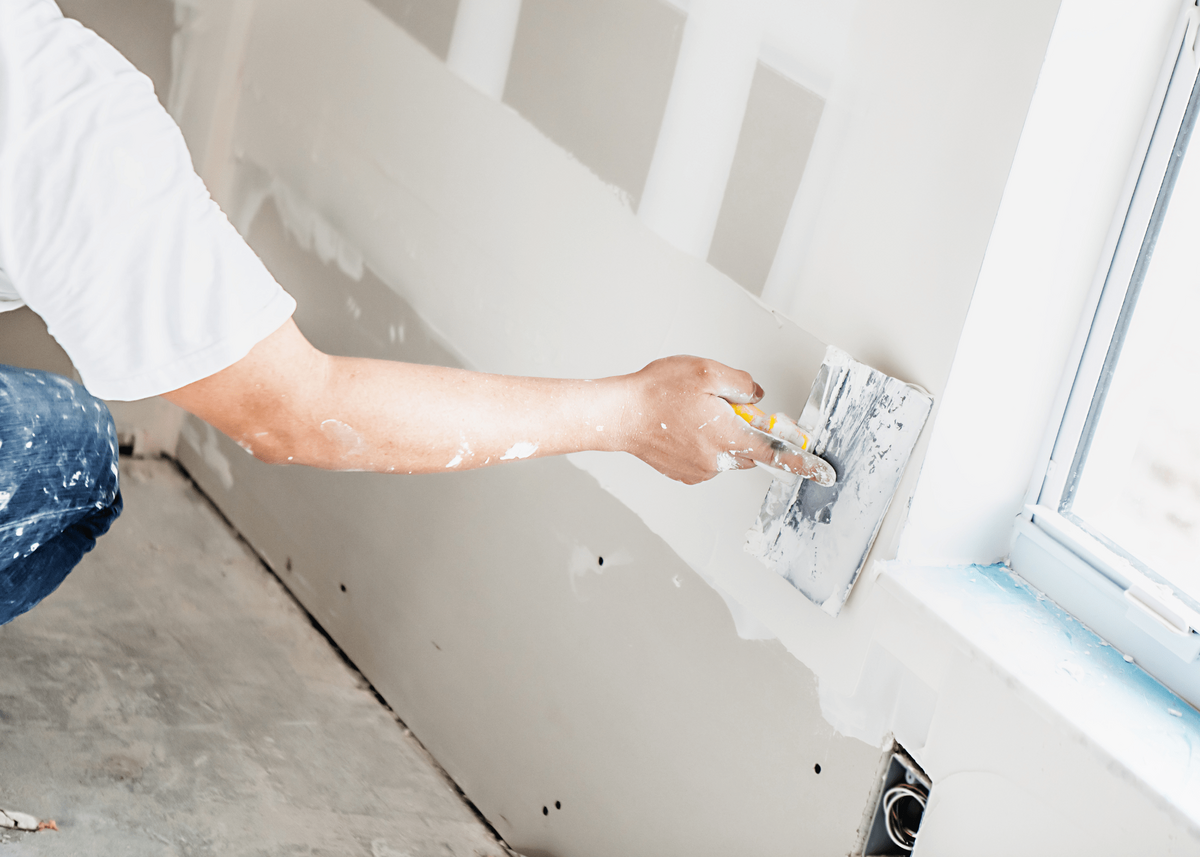
Use a putty knife to apply a small amount of spackle directly into the hole or crack. Spread it evenly, covering the damaged area and feathering the edges to blend with the surrounding wall. Apply thin layers, allowing each layer to dry before adding more spackle if needed. This helps prevent the spackle from shrinking and cracking.
How long does spackle take to dry?
Drying time can vary depending on the type of spackle used and the thickness of the application. Lightweight spackles may dry in as little as 30 minutes, while heavier, more durable compounds can take up to 24 hours. Always check the manufacturer's instructions for specific drying times.
How do I sand the spackled area?
Once the spackle is completely dry, use fine-grit sandpaper or a sanding sponge to smooth the surface. Sand lightly in circular motions, being careful not to damage the surrounding wall. Wipe away any dust with a damp cloth before priming and painting.
Can I paint directly over spackle?
It's best to prime the spackled area before painting. Priming ensures that the paint adheres properly and provides a uniform finish. After sanding and cleaning the spackled area, apply a primer and let it dry according to the manufacturer's instructions before painting.
What if the spackle shrinks or cracks after drying?
If the spackle shrinks or cracks, it may indicate that the application was too thick or the area wasn't properly prepared. To fix this, sand the area lightly and apply another thin layer of spackle. Allow it to dry completely, sand it smooth, and then prime and paint as needed.