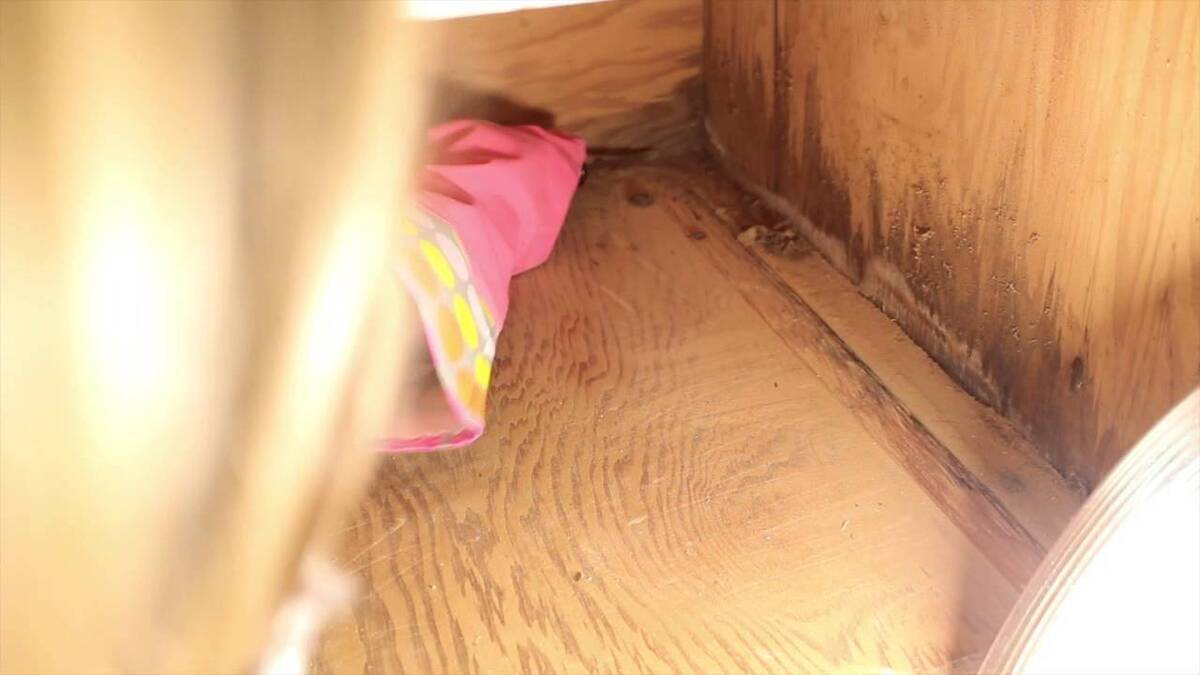
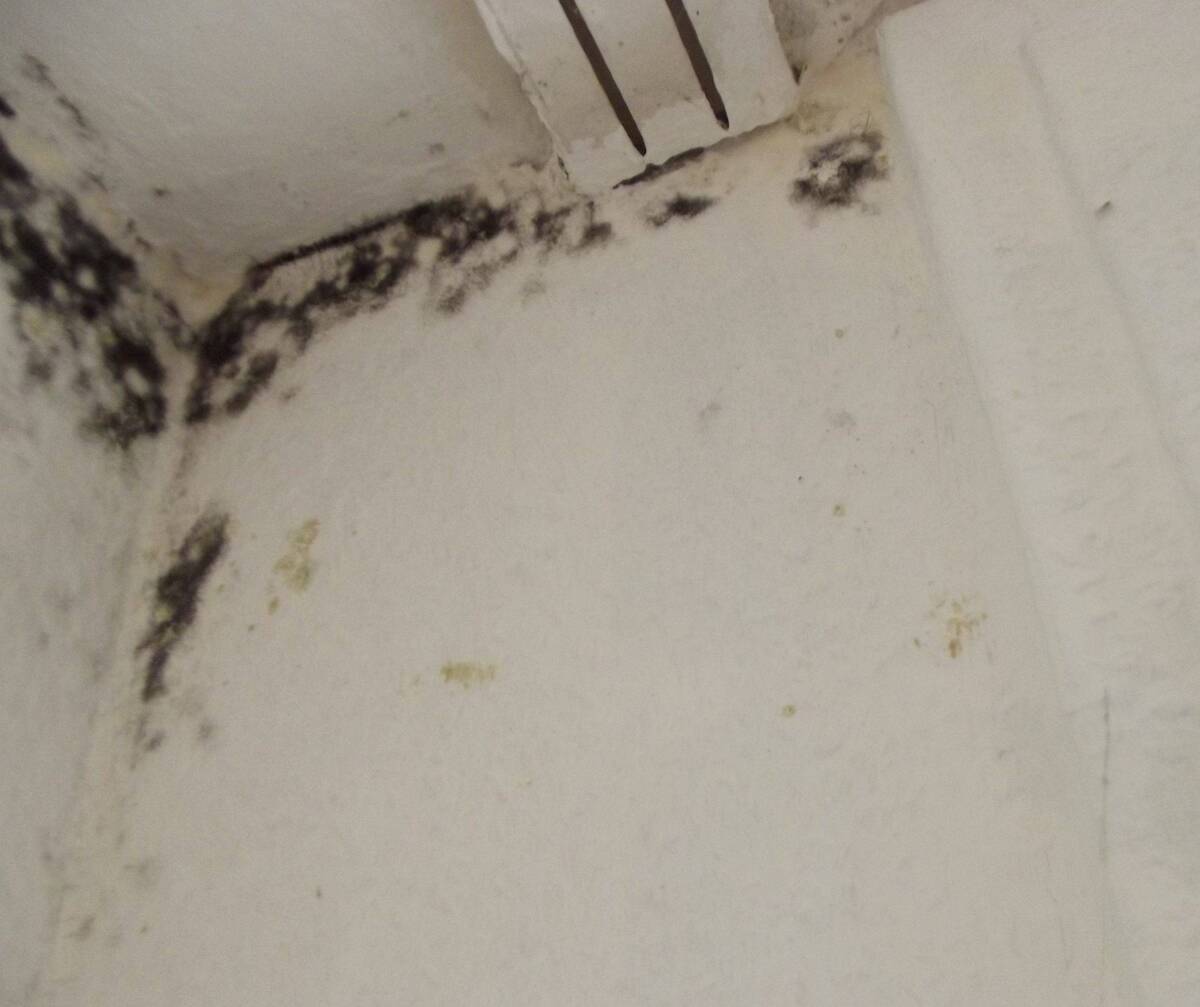
Sample The Mold: The first thing you'll need to do is order a sampling kit to determine which type of mold you’re dealing with. The kids will arrive with instructions to place one detector near a known moldy area, and one or more in other parts of your home. A "control" detector needs to be placed outside the home in an open area to set a baseline to work from.
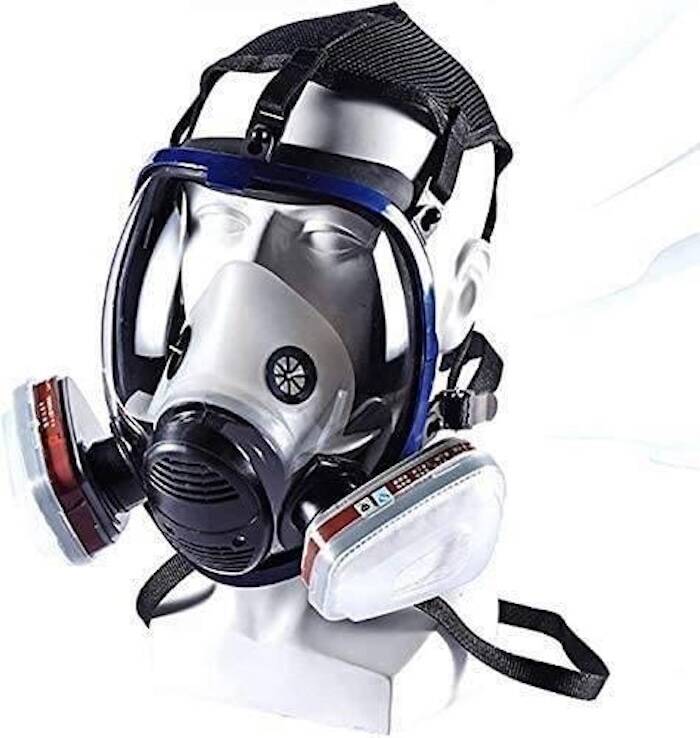
Follow the directions and send the kit(s) back to the lab. When the results are back, you’ll understand what precautions to take. If it’s a heavy infestation you might consider a professional mold abatement team, if it’s not that large, you can do it yourself. You’ll need a canister-style respirator with a mold filtering canister attached. Disposable coverall, eye protection, and latex or rubber gloves are mandatory.
Drywall Removal: With drywall, aka sheetrock, you need to remove the sheetrock from the wall to a height of at least two feet off the floor. Most mold damage comes from water, and water can wick up a wall a few inches. The two-feet or 24” guideline removes all mold that can move up a wall. Place the old drywall in heavy gauge plastic bags for storage at a sanctioned bio-waste landfill.
Carpet Mold Removal: If the mold is in carpet, rug, or beneath a vinyl floor, rip it all up and dispose of it. Sorry, but it's the way to ensure no mold remains!
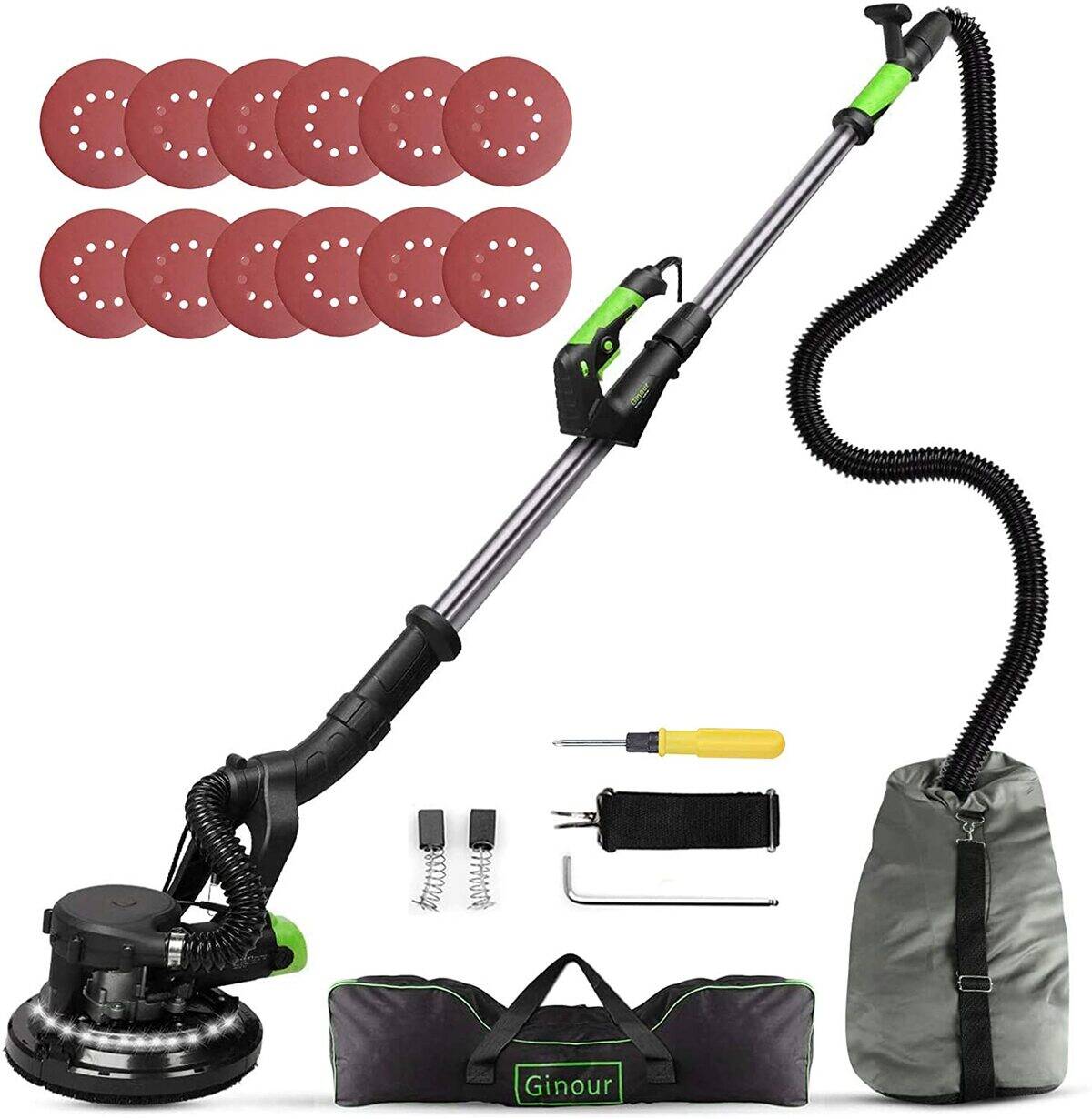
Wall Studs: When studs are exposed in a wall you need to examine them closely for mold. If they are dark, slimy, or show mold colonies, you’ll have to sand the stud until the materials are gone.